For pediatricians

Practise for the whole child.

A pediatrician is often the first doctor a new family trusts. SKIDS brings home signals, school observations, whole-child screening, protocols, allied teams, dispensary, and Companion records under one roof so that trust can become continuous care.

A pediatrician reviewing whole-child care with a child and family
Why this matters

The pediatrician should see the child where life is actually happening.

A baby enters a family, and very quickly the pediatrician becomes the person parents ask about feeding, sleep, skin, growth, behaviour, vision, hearing, school readiness, and fear. The work is not only treatment. It is nurture, interpretation, prevention, and long-term trust.

The child spends most waking hours outside the clinic: at home and at school. Parents and teachers notice the clues long before they become diagnoses. SKIDS brings those clues back to the pediatrician through whole-child screening, school observations, parent reports, and one longitudinal record.

Pediatrics was always a multi-specialty responsibility. The modern system fragments it into referrals. SKIDS brings the tools back under one roof: protocols, devices, dispensary, allied team, Companion records, and school-linked visibility.

The whole child was always pediatric. SKIDS gives pediatricians the visibility and structure to care for the whole child well.
The platform

Eight moments of care that come back under your roof.

The value of SKIDS is not a list of tools. It is what those tools let a pediatrician do for a child who would otherwise be sent away.

01

The squint stays with you

A child who has headaches, avoids reading, or copies slowly from the board can begin vision care inside the pediatric relationship parents already trust.

02

The quiet child is heard

Listening trouble, delayed speech, classroom drift, and recurrent ear symptoms no longer disappear into a referral loop.

03

Behaviour gets a body map

When a parent says the child is stubborn, restless, anxious, or impossible to settle, you can look at sleep, nutrition, sensory load, attention, and family context together.

04

Growth becomes a story

Height, weight, appetite, fatigue, iron, sleep, and chronic inflammation are followed as one growing child, not as scattered lab values.

05

Skin, allergy, and breath connect

Itch, rash, wheeze, mouth breathing, snoring, and recurrent colds can be read as connected pediatric signals before the family starts specialist-hopping.

06

School concerns become clinical care

The teacher's observation, the parent's worry, and the pediatric exam can finally meet in one record and one care plan.

07

You are supported, not replaced

The allied team and Companion workflows extend your reach while the judgment, relationship, and responsibility remain yours.

08

Families return because the child is known

SKIDS turns the visit into continuity: the child, record, parent, school, and pediatrician keep moving together over years.

What you will run

Twenty-three specialty clinics, day one.

Vision SKIDS · 2026
The Tuesday squint
Vision Clinic SKIDS · clinic
Vision Clinic Headaches, reading fatigue, and board-copying trouble often begin as missed vision signals.
Hearing & Ear SKIDS · 2026
The zoned-out student
Hearing & Ear Clinic SKIDS · clinic
Hearing & Ear Clinic Listening trouble can look like inattention before anyone suspects hearing.
Skin SKIDS · 2026
The skin signal
Skin Clinic SKIDS · clinic
Skin Clinic Itchy skin, scalp flares, and rashes often connect allergy, sleep, stress, and infection.
Allergy SKIDS · 2026
The hidden trigger
Allergy Clinic SKIDS · clinic
Allergy Clinic Food, dust, skin, nose, and wheeze patterns often travel together.
Sleep SKIDS · 2026
The missing hour
Sleep Clinic SKIDS · clinic
Sleep Clinic Snoring, late sleep, and restless nights can shape behaviour, learning, and growth.
Behavioural SKIDS · 2026
Is it defiance?
Behavioural Clinic SKIDS · clinic
Behavioural Clinic Anxiety, attention, and regulation often have a body-system signal underneath.
Nutrition SKIDS · 2026
The iron gap
Nutrition Clinic SKIDS · clinic
Nutrition Clinic Low iron can show up as fatigue, poor focus, slow growth, or the afternoon crash.
Growth SKIDS · 2026
The invisible barrier
Growth Clinic SKIDS · clinic
Growth Clinic Nutrition, sleep, hormones, and inflammation all leave clues in growth.
Cardiac SKIDS · 2026
The hidden rhythm
Cardiac Clinic SKIDS · clinic
Cardiac Clinic Racing hearts, murmurs, and exercise symptoms need pediatric interpretation.
Respiratory SKIDS · 2026
The heavy sigh
Respiratory Clinic SKIDS · clinic
Respiratory Clinic Cough, wheeze, poor stamina, and sleep breathing often travel together.
Oral Health SKIDS · 2026
The silent cavity
Oral Health Clinic SKIDS · clinic
Oral Health Clinic Teeth, mouth breathing, sleep, speech, and focus are more connected than parents are told.
Developmental Surveillance SKIDS · 2026
The map error
Developmental Surveillance SKIDS · clinic
Developmental Surveillance Toe walking, clumsiness, sensory sensitivity, and milestones can be early development signals.
Speech & Language SKIDS · 2026
The late sentence
Speech & Language Clinic SKIDS · clinic
Speech & Language Clinic Speech delay, unclear words, stammering, and listening concerns need one pediatric language map.
Learning SKIDS · 2026
The hard page
Learning Clinic SKIDS · clinic
Learning Clinic Reading, writing, memory, attention, and confidence are often mixed together in school struggle.
Adolescent SKIDS · 2026
The changing child
Adolescent Clinic SKIDS · clinic
Adolescent Clinic Sleep, mood, puberty, risk, identity, nutrition, and school pressure need a trusted pediatric space.
Pulmonology SKIDS · 2026
The breath limit
Pulmonology Clinic SKIDS · clinic
Pulmonology Clinic Exercise cough, wheeze, asthma control, and recurrent chest symptoms are followed as one pattern.
Gastrointestinal SKIDS · 2026
The belly loop
Gastrointestinal Clinic SKIDS · clinic
Gastrointestinal Clinic Pain, reflux, appetite, stool pattern, school absence, and worry often need one gut story.
Kidney & Urology SKIDS · 2026
The urine clue
Kidney & Urology Clinic SKIDS · clinic
Kidney & Urology Clinic Urine infection, frequency, swelling, blood pressure, and kidney signals need early pediatric review.
Blood SKIDS · 2026
The tired child
Blood Clinic SKIDS · clinic
Blood Clinic Pallor, fatigue, iron deficiency, bruising, and repeated infections can begin as quiet blood signals.
Infections SKIDS · 2026
The repeat fever
Infections Clinic SKIDS · clinic
Infections Clinic Frequent fever, cough, school absence, TB exposure, and immunity concerns need pattern-based care.
Bedwetting SKIDS · 2026
The wet morning
Bedwetting Clinic SKIDS · clinic
Bedwetting Clinic Night wetting, constipation, sleep, stress, and urinary symptoms are treated without shame.
Constipation SKIDS · 2026
The stool story
Constipation Clinic SKIDS · clinic
Constipation Clinic Pain, withholding, appetite, toilet fear, and school routine can all sit behind constipation.
Vaccination SKIDS · 2026
The protection map
Vaccination Clinic SKIDS · clinic
Vaccination Clinic Catch-up vaccines, travel, school requirements, and risk-based protection stay inside one record.
Companion record

The record keeps the memory. You remain the doctor.

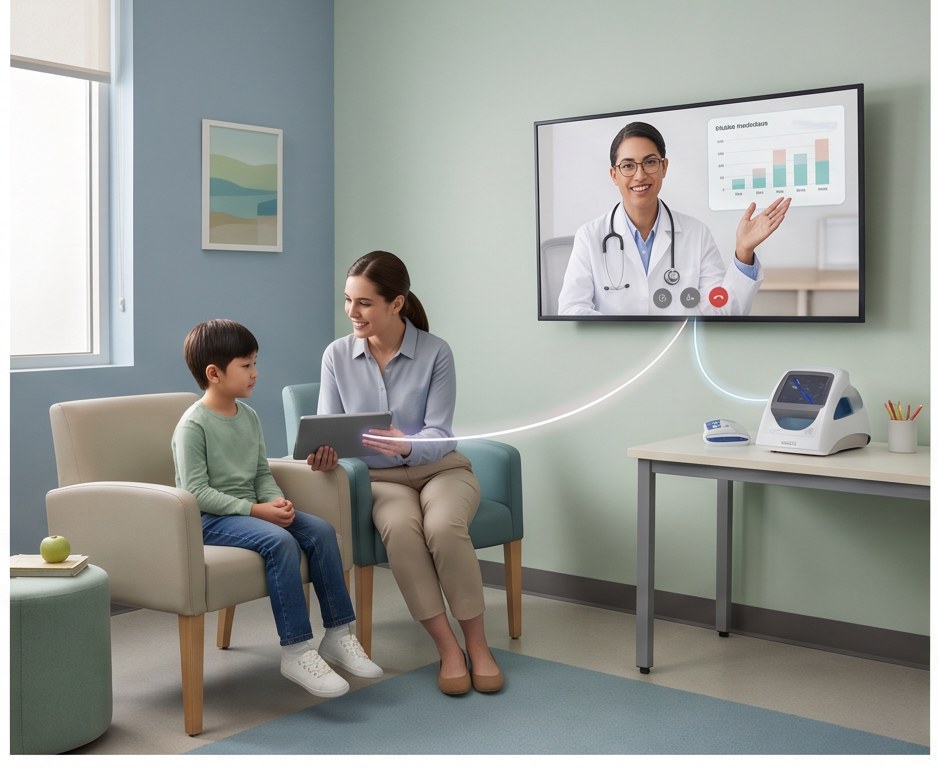
Companion keeps the timeline, active flags, protocol step, parent summary, and school signal in view. It supports clinical judgment without replacing the relationship.

A pediatric care room with Companion visibility and telehealth support
Subspeciality and scholarship

If you already have a subspeciality, SKIDS helps you practise it with ease.

Your scholarship should not sit outside the child's main pediatric home. SKIDS lets subspeciality care live inside whole-child pediatrics, with the record, allied team, school signal, and parent relationship around it.

Explore the fellowship desk
Begin

Practise SKIDS pediatrics: the whole child, under one roof.

Write with your MD Paeds year, current city, subspeciality interest if any, and the kind of pediatric practice you want to build.

hello@skids.clinic